
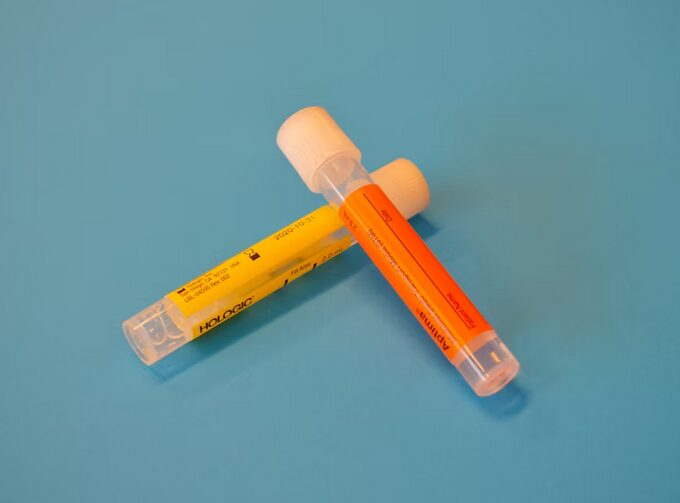
Pain management is a complex area of medicine. Patients often rely on medications that can be both effective and risky. To balance relief with safety, clinics use several monitoring tools, similar to how the review of the product gives clarity before use. Among them, urine drug testing plays a central role. It provides doctors with insight into what substances are in a patient’s system and supports responsible prescribing practices.
Chronic pain treatment frequently involves opioids and other controlled substances. These drugs can reduce suffering, but they also carry risks of misuse, dependence, and diversion. Urine drug testing offers a straightforward way for clinics to confirm that patients are taking medications as prescribed. It also helps identify unexpected substances that may interfere with treatment or increase danger.
Understanding the Testing Process in Clinics
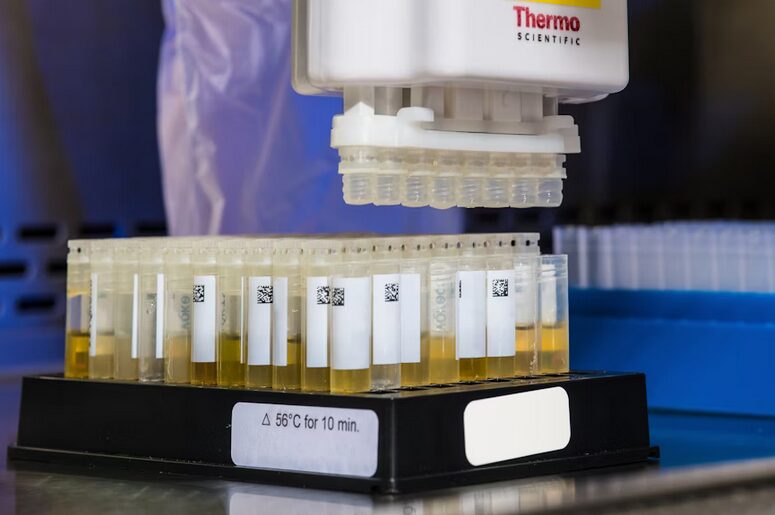
The procedure is simple but follows strict guidelines. A patient provides a urine sample in a secure setting. The sample is labeled carefully to avoid confusion and is then tested for common drug classes. If a result shows something concerning, the sample goes through a second, more precise test. This two-step process helps ensure accuracy and reduces the chance of error. Clinics treat results with utmost seriousness because they directly influence patient care decisions.
Detecting More Than Misuse
Urine drug testing is not only about catching misuse. It also reveals important information about metabolism and possible drug interactions. For example, a patient might appear to be taking too little medication, but testing can show whether their body processes the drug unusually fast. This insight can guide dosage adjustments and improve pain control. Such details highlight the unique role of these tests in tailoring care to each patient.
Addressing False Positives and Negatives
No test is flawless. Certain foods, supplements, or non-prescription medicines can trigger false positives. On the other hand, the timing of medication use can sometimes lead to false negatives. Because of this, doctors never rely on a single result alone. Instead, they combine test findings with patient discussions, physical exams, and medical history. This balanced approach helps ensure fairness and accuracy.
Supporting Trust Between Patients and Providers
Pain management requires strong communication. Urine drug testing can sometimes feel uncomfortable for patients, but when explained clearly, it becomes a tool for building trust. Patients see that doctors are not only monitoring but also protecting them from harm. By openly discussing results, providers reinforce transparency and keep treatment plans aligned with patient needs and safety goals.
Considering Legal and Ethical Considerations
Clinics operate under regulatory frameworks that require responsible opioid prescribing. Urine drug testing supports compliance with these standards. It provides documentation that a clinic is practicing careful monitoring and prioritizing safety. Ethically, it also protects patients from unrecognized risks, such as dangerous combinations of medications. Used properly, testing balances respect for patient privacy with the duty to provide safe and effective care.
Advances in technology are shaping how tests are performed. New methods aim to shorten result times while expanding the range of substances detected. Some clinics are exploring point-of-care devices that give immediate insights during an appointment. Others are integrating test results into electronic health records for better coordination of care. These developments will likely make urine drug testing even more central to safe prescribing practices in pain management clinics.