Preventive healthcare is changing rapidly, and one area seeing major innovation is urine drug testing. Once mainly associated with workplace screenings or legal investigations, urine testing is now becoming a valuable tool in modern healthcare. In 2026, healthcare providers are increasingly using advanced drug screening technologies to detect health risks early, monitor treatment progress, and support patient wellness. As healthcare systems move toward prevention rather than reaction, urine drug testing is assuming a much broader role. Faster technology, improved accuracy, and growing awareness around substance use and chronic health conditions are all contributing to this shift. What used to be a routine lab procedure is now becoming part of a larger conversation about personalized care and proactive health management.
A Shift From Reactive to Preventive Care
One of the biggest changes in healthcare today is the focus on prevention. Instead of waiting for symptoms to become severe, doctors are using tools that help identify problems earlier. Urine drug testing fits perfectly into this approach because it can provide quick insights into substance use, medication adherence, and overall patient health. Healthcare providers are now using these screenings not only to detect illicit substances but also to monitor prescription medications and identify patterns that may signal future health complications. Early intervention can reduce hospital visits, improve treatment outcomes, and help patients receive support before conditions worsen. This proactive approach is especially important as mental health and addiction concerns continue to rise globally.
Technology Is Making Testing Faster and Smarter
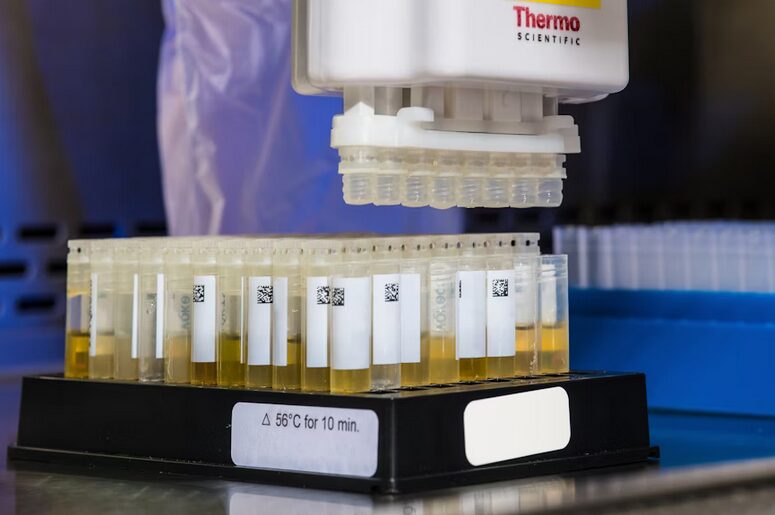
The future of urine drug testing is closely tied to technological advancement. Modern testing systems are becoming faster, more portable, and far more accurate than older methods. Many clinics can now receive results within minutes, allowing healthcare professionals to make immediate decisions about treatment or follow-up care. Artificial intelligence and digital health systems are also beginning to play a role. Smart diagnostic platforms can analyze testing trends over time and help doctors identify behavioral or medical risks more efficiently. Some healthcare companies are even developing at-home testing solutions connected to secure mobile apps, making monitoring easier for both patients and providers. These innovations are helping urine drug testing move beyond traditional laboratories and into everyday healthcare settings.
Personalized Medicine Is Driving Demand
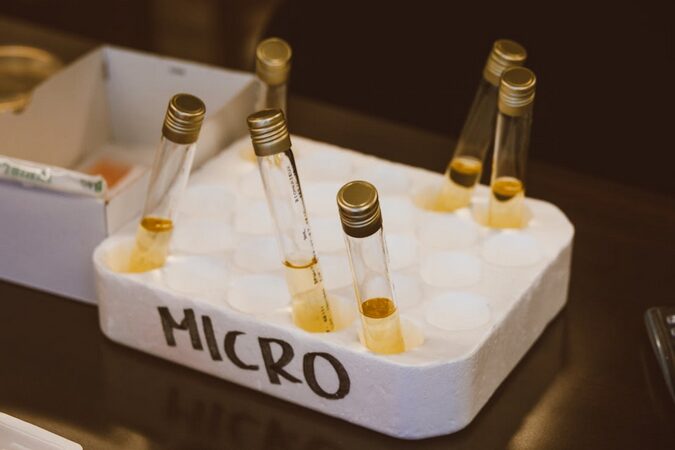
Another reason urine drug testing is growing in preventive healthcare is the rise of personalized medicine. Healthcare providers increasingly recognize that treatment plans should be tailored to individual patients rather than using a one-size-fits-all model. Urine testing helps doctors understand how patients respond to medications, whether prescriptions are being used correctly, and if dangerous drug interactions may be occurring. This information allows providers to adjust treatment plans more safely and effectively. For patients managing chronic pain, mental health conditions, or long-term therapies, personalized monitoring can improve both safety and quality of care. Instead of relying solely on patient self-reporting, providers have access to objective data that supports better decision-making.
Workplace Wellness Programs Are Expanding
Urine drug testing is also becoming more common in workplace wellness initiatives. In the past, testing was often viewed as purely disciplinary. Today, many organizations are integrating health screenings into broader wellness and safety programs. Employers are recognizing that supporting employee health can improve productivity, reduce accidents, and lower healthcare costs. Some companies now partner with healthcare providers to offer voluntary screenings, counseling resources, and support for …